There are many wonderful, amazing dogs at the shelter and from rescue, however if you should decide that you want to buy a puppy from a breeder, please choose wisely and RESPONSIBLY.
WHY A BREEDER?
You may find that people in the peanut gallery will question your decision to get a dog from a reputable breeder. Lots of people, usually those who mean well, only think of breeders as greedy, heartless, and evil. They believe breeders keep dogs in dirty cages and push out puppies for profit. Thanks to a fantastic marketing campaign, when you say “breeder”, people start hearing “In the Arms of the Angels.” A good breeder, however, is a far cry from the Sarah McLaughlin rescue narrative that has been on TV screens for decades.
In reality, reputable breeders are invested in their dogs. They follow the puppies they sell throughout their entire lives and have a major interest in the health and preservation of, not only their own dogs, but the breed as a whole as well. Dogs from reputable breeders usually have predictable temperaments and can perform the job they were bred to do. These breeders take pride in the structure and health of their dogs, ensuring longevity in the dogs they produce. Most reputable breeders have a contract with new puppy owners, stating that the breeder will take the dog back at any point during their life. It’s wonderful to support a responsible breeder who can provide for you and your dog throughout the dog’s life.
TYPES OF BREEDERS
Not all breeders are created equal. Most people separate breeders into three different categories: Backyard Breeders, Puppy Mills, and Reputable Breeders. There are a few key differences between each.
Backyard breeder – Often written in shorthand as “BYB”, these kinds of breeders begin producing dogs for a variety of reasons, therefore, it can be hard to pinpoint an exact definition for them. Some BYBs may look like your neighbor down the street who thought their Siberian Husky was just the cutest thing ever and needed some of their puppies, regardless of who they are bred with. Or maybe they thought their Husky would make super cute puppies with a Pomeranian, and they could sell the pups for a profit. Maybe, their Husky hasn’t been spayed yet and was left unattended when an intact male jumped the fence, feeling a little fresh. Regardless of the reason, BYBs are not reputable. They do not health test for genetic illnesses on their dogs, nor do their dogs hold meaningful titles for the breed. They do not guarantee a clean bill of health, and they do not keep a contract with puppy buyers to take back the dog if needed. Even worse, some BYBs sell their pups before eight weeks of age, and never provide Early Neurological Stimulation (ENS). Although one of two litters from a BYB seem harmless enough, they are still contributing to the pet overpopulation problem, and these dogs regularly end up in shelters across the country.
Puppy mill – These places are the poster child for the infamous Sarah McLaughlin commercial. They are usually created with a single goal in mind: profit. Dogs are often kept in small, dirty cages, in order to house more animals. Females are bred back to back to produce as many puppies as possible. Dogs are rarely health tested, creating generations upon generations of dogs with unchecked genetic defects. Not only does a puppy mill not care about where the puppy ends up once it leaves their facility, they often dump their breeding stock once they have outlived their “usefulness”. Some facilities are “FDA Approved”, however, this usually only considers the bare minimum of care to be adequate and does not account for ethical breeding practices or genetic health testing. A good rule of thumb to avoid puppy mills is to always make sure you can see the facilities your puppy was born in. However, puppy mills have many fronts. The most commonly seen fronts for a mill are pet stores, as most of the puppies seen in pet stores are sourced directly from puppy mills. Although less common, some mills will even set up a fake “breeder”, or an actor posing as an individual who claims to breed on a smaller scale, and will sell the puppy to an unsuspecting buyer in a neutral, public area, away from the mill itself. It’s important to keep in mind that buying a puppy from a pet store, or buying directly from a puppy mill itself, is not “rescuing”, as this just puts money back into the puppy mill and allows the cycle to continue. Puppy mills take no consideration for the health or structure of their dogs, and do not attempt to honor the breed standard. As such, puppy mills should be avoided at all costs.
Reputable breeder – Now, we have reputable breeders. These breeders often have long waiting lists, but the wait is worth it. Reputable breeders usually have their own philosophy and goals for breeding. These goals do not include money or profits as their top priority, it is all for the good of the breed. In fact, reputable breeders will often tell you that they sometimes lose money while breeding a litter. This is all a labor of love for them. Breeding pairs are not decided upon willy-nilly, they are handcrafted to bring out the best, physically and mentally, in both dogs. These breeders are transparent in their breeding practices, willing to offer health test results and OFA scores to prospective buyers. They do not charge extra for coat color or eye color, the price of their dog is reflective of the time and effort they have put into their dogs and the puppies they produce. They provide ENS (Early Neurological Stimulation) for their puppies, such as Puppy Culture, and provide updates to potential new owners on the puppy’s temperaments and abilities while they are in the breeder’s care. They are heavily invested in their puppies and keep up to date with the new owners for the puppy’s entire lives. Their breeding stock is proven in some area or discipline, either through show titles or proven working ability. Their dogs will not be cheap, and they shouldn’t be. You should expect nothing but the best from these breeders.
FINDING THE BREEDER YOU WANT
When approaching a breeder, think about creating a partnership. The breeder of your new dog should be someone that you enjoy maintaining contact with for the duration of your dog’s life, up to 15 years. Some breeders have a very involved approach, where they request to be active in the dog’s life. Some require or request co-ownership of the dog. Some breeders are more hands-off, and only request updates on a need-to-know basis. Make sure that you are comfortable with your prospective breeder’s level of involvement. Do not be shy, ask lots of questions, and determine if the breeder is a good fit for you. After all, you may be in contact with this person for a good, long time.
Admittedly, this also might require a bit of “soul-searching” on your end. For what purpose do you want a dog? For sport? For work? A family pet? Think realistically about the breed of dog you want to get, and what kind of breeder you would be searching for. You likely wouldn’t want to get a Belgian Malinois as a laid-back family pet, and you wouldn’t expect a Jack Russell Terrier to herd cattle. If you’re searching for a competition dog for, say, conformation, would you be comfortable with a breeder that is heavily involved or even co-owns your dog?
Additionally, a good breeder should be realistic about expectations for their own dogs. A good breeder may even deny a prospective owner if they feel as though a puppy they produced will not be a good fit in their future home, and this is well within their right.
The below list provides some basics for what to look for when shopping around for a breeder. Naturally, with something so personal as buying a dog, you will likely need to personalize this list to better suit your own needs. However, this should provide a good starting point.
REPUTABLE BREEDER CHECKLIST
- Tests for genetic defects common in the breed
- Elbows and or hips are x-rayed and evaluated by a non-partial 3rd party (PennHip or OFA are most common for this)
- Dogs are kept in a clean environment
- Can provide vet records for any dog upon request
- Provides a transparent contract that is agreeable for both parties
- Will take the dog back at any point throughout its life for any reason
- Dogs are bred with a purpose
- Allows and welcome you to visit the puppies or post frequent updates on social media
- Puppies are not kept in crates and stacked
- Should be very knowledgeable about the breed and the parent’s temperament
- Puppies are well socialized and provided with appropriate enrichments. Look for breeders that uses Avidog or Puppy culture protocol.
- Have a good working relationship with their vets who examine all the puppies and provide immunization and parasite control where you can contact to confirm information.
- Ask lengthy questions and pick puppies for you based on personality as priority and not appearance
- Dams are not over bred
- NEVER send a puppy home under 8 weeks and without first vaccination and dewormed.
Red Flags to watch for:
Breeder does not let you visit the facility before you put down a deposit
The breeder lets you choose a puppy based on coat color before temperaments are determined
They ask you to wire them money or provide bank account information before seeing the dogs or the facility
Allow the puppy to go early before 8-10 weeks of age
They are evasive when asking specific questions about where the dogs are kept, how they are interacted with or asking to see verification of paperwork or dam/sire titles & registrations
They are selling their puppies in facebook groups or craigslist. Most reputable breeders do not need to solicit the sale of their puppies as they should have a wait list for their dogs.
Myths and facts regarding choosing a breeder vs adopting from a shelter
Myth: A dog from a breeder will always be a better dog than from a shelter.
Shelter dogs can have great temperaments, and poorly bred dogs can have bad temperaments and behavioral issues.
Myth: A dog will not bond with me if i don’t get it as a puppy.
The right dog will bond with its owner regardless of its age
Myth: A dog from a shelter is cheaper than from the breeder.
In up front costs, yes, but in the long term both dogs could end up costing similar amounts when factoring in unknown or unexpected veterinary care or required training.
Fact: MANY not all dog breeds are overpopulated and over bred.
This is true, especially for harder breeds like Siberians. This is why it is important to not support puppy mills or BYB’s. Either find a reputable and qualified breeder or choose to adopt from a local shelter to prevent overpopulation of dogs.
Fact: A good breeder will help me choose the right dog.
If you are working with a reputable breeder they will work hard to understand your lifestyle and match one of their puppies to you based on temperament.
Big Thank you to my guest contributors for helping me with this article, Gabrielle Ciafardo https://www.instagram.com/thorandtheborders/ and Barbie Pitts https://www.instagram.com/gusandquoia/
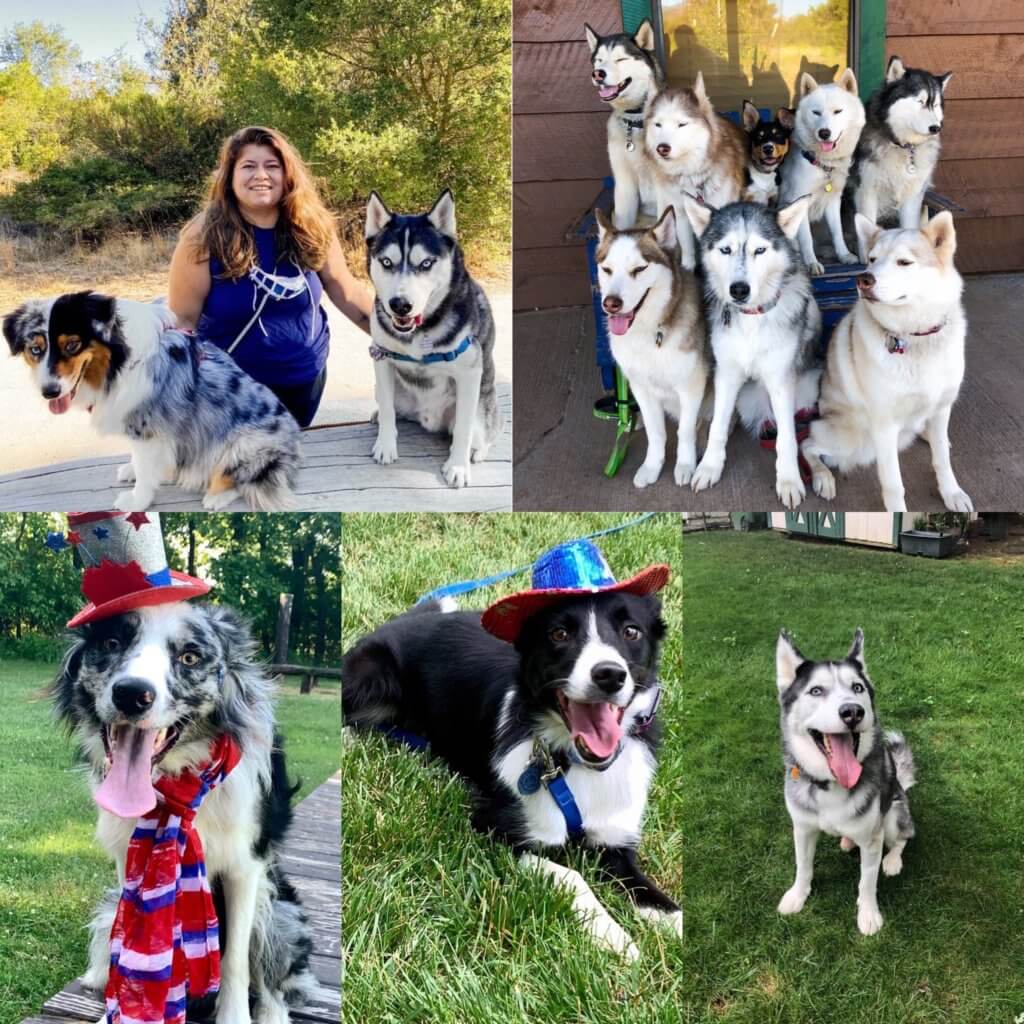
Pictures of our well bred dogs and rescue dogs!